The Chicago accent is a special way of speaking that people from Chicago and nearby areas often have. It includes unique sounds and a style that makes it easy to recognize. Its roots lie deep in the city’s diverse neighborhoods, and it has been shaped by many decades of immigration and different cultures. People sometimes call it the Windy City accent because of Chicago’s nickname, but it is a sound that you won’t mistake for anything else. This guide explores the history and meaning of the famous Chicago accent.
Understanding the Chicago Accent: Origins and Development
The Chicago accent developed from a mix of immigrant groups and people moving to the city from the Midwest long ago. It is part of a group of accents called the Inland North, common around the Great Lakes area. Over time, this accent grew with its own special features into what you will recognize today. The working-class areas, especially on the South Side, played a part in influencing the accent. You will notice it includes a mix of different ethnic and cultural speech patterns. Today, locals are fiercely proud of the Chicago accent.
Key Phonetic Features of the Chicago Accent
Here are some features of the Chicago accent to look out for:
- The flat “a” in words like “cat” sounds different. It might be stretched or sound more like “kyat.”
- The “th” sound in words like “this” often becomes a “d” or “t,” so it sounds like “dis” or “tis.”
- Some words keep a clear difference, like “cot” and “caught,” while in other accents they sound the same.
- There’s a nasal tone that colors the speech, especially in words ending with “n” or “m”
- The accent sometimes makes statements sound like questions because of a rising tone at the end.
Chicago Slang and Vocabulary
Chicagoans sprinkle their conversations with unique slang that shows their local culture, but it can be confusing for first-time visitors to the city. For example, people in Chicago usually say “pop” instead of “soda” for soft drinks and call a living room a “frunchroom”. The famous phrase “Da Bears” comes from the Chicago accent and was made popular by comedy shows. Other famous slang phrases include:
- Kickback: A casual house party or gathering. For example, “We’re having a kickback at Mike’s if you want to join.”
- Flodgin: Means lying or not telling the truth. “Stop flodgin, I know you took my cash!”
- Fin: A five-dollar bill. “Can you spot me a fin for lunch?”
- Dibs: Claimed beforehand. In Chicago, it especially means saving a parking space by putting something in it during winter.
- Merch: Asking for proof or evidence. “You say he’s cheating? Merch!”
- Wear the jacket: Taking the blame for something, a phrase with historical roots in Chicago’s gangster past.
- The L: Refers to the Chicago elevated train system.
- Jewels: The grocery store Jewel-Osco.
Famous Examples and Cultural Impact
The Chicago accent has been both celebrated and caricatured in popular culture. One of the most famous references is the regular Saturday Night Live sketch featuring Da Bears, which exaggerates the South Side Chicago accent. This sketch helped make Chicago speech patterns famous. You will also hear the accent in movies and television shows like The Blues Brothers and ER. Actors like Joan Cusack and Bill Murray are known for their authentic Chicago accents.
How to Identify a Chicago Accent
Recognizing the Chicago accent is about listening for its musical vowel shifts, consonant substitutions, and characteristic nasal tone. Compared to other Midwestern accents, the Chicago accent is louder and more nasal. However, it is not necessarily one and the same. Even among Chicago residents, there are slight differences depending on the neighborhood they come from.
The accent is not as common among younger people, who may speak more like the general American accent. The main difference about the Chicago accent is its vowels and expressive speech patterns that make it sound punchy and full of character.
Comparison with Other Midwestern Accents
The Chicago accent is just one type of Midwestern accent. But it has some special features that set it apart. The Midwest spans a large area with diverse regional accents, including Midland American English, Inland Northern American English (which includes Chicago), and North Central American English (found in places like Minnesota and Wisconsin).
Chicago’s accent is part of the Inland Northern group and is famous for the “Northern Cities Vowel Shift.” This means some vowels are pronounced higher or longer than in other areas. In contrast, Midland American English speakers, found in parts of Ohio, Indiana, and Missouri, have a softer and more neutral accent that’s pretty close to General American English.
North Central American English, heard in Minnesota and Wisconsin, has its own unique vowels and sounds. It is sometimes called the Minnesota accent and is famous for phrases like “doncha know” or “you betcha.” This accent has influences from Scandinavia. While all these accents have some things in common, the Chicago accent has strong vowel shifts and a nasal tone that ties back to its working-class roots.
Check out Pequod’s Pizza on your visit to Chicago
The best way to get a feel for the Chicago accent is to visit a local restaurant where you can hear it in real life. Founded in the 1970s, Pequod’s Pizza is a family-run business by local Chicagoans. Besides, no visit to Chicago is complete without sampling its famous deep-dish pizza, and Pequod’s Pizza offers an authentic taste of the city’s culinary heritage. Stop by our Lincoln Park branch or contact us to reserve your table today.
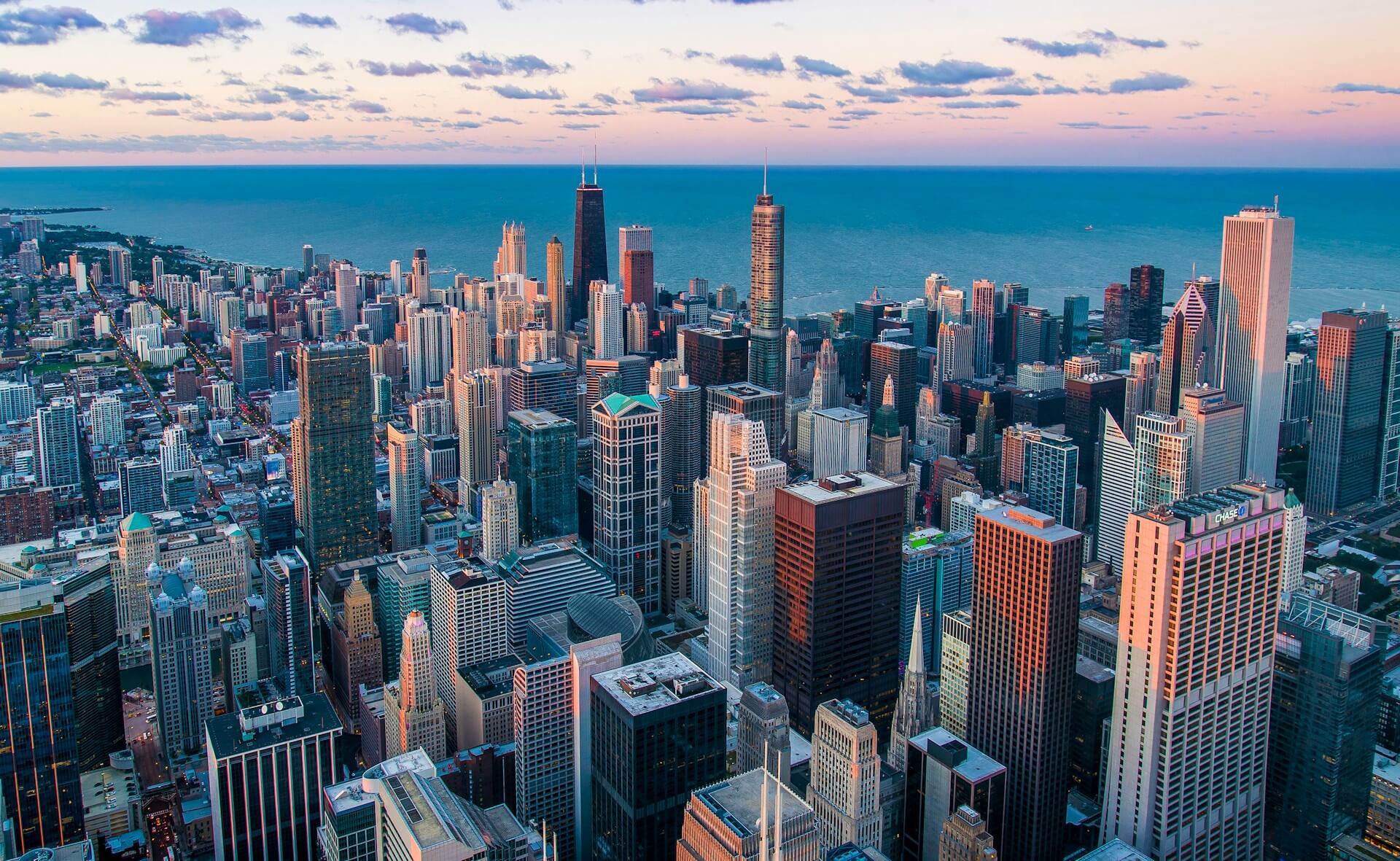
Image by Pedro Lastra is licensed with Unsplash License