
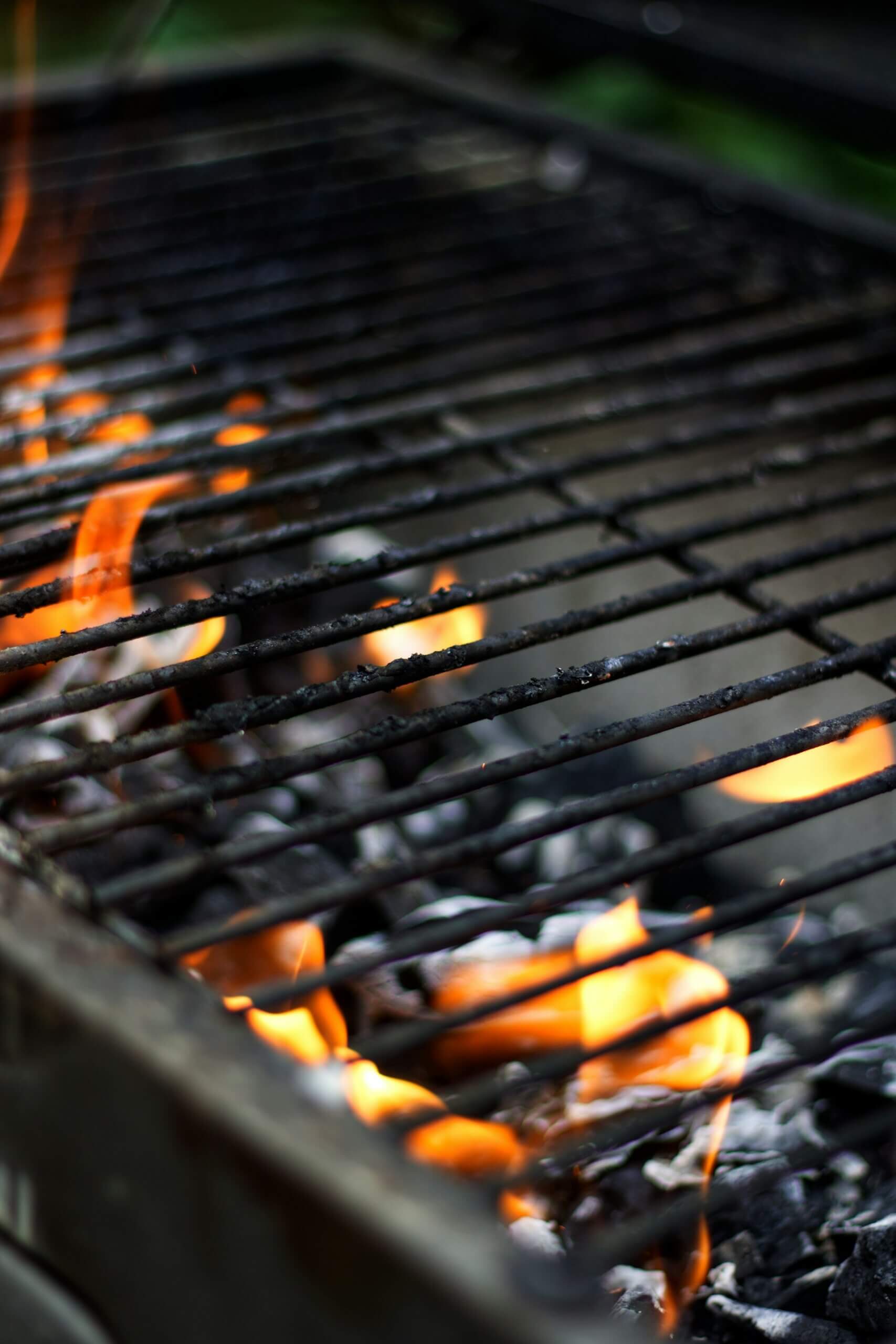
Grilling pizza turns a simple meal into an outdoor cooking adventure that delivers restaurant-quality results right in your backyard. The intense heat from your grill creates a beautifully charred crust with smoky undertones that you simply can’t replicate in a conventional oven. While mastering the technique takes some practice, the payoff is huge: crispy edges, perfectly melted cheese, and that unmistakable flame-kissed flavor.
Why Grilling Pizza Is Worth the Effort
Fire grilled pizza brings something special to the table that traditional oven baking just can’t match. The direct heat creates those desirable char marks and crisp texture you’d find at wood-fired pizzerias, while the smoky flavor adds depth to every bite. During summer months, grilling keeps your kitchen cool and moves the cooking action outdoors where it belongs.
The speed makes it surprisingly practical for weeknight dinners. Once your grill hits the right temperature, individual pizzas cook in just minutes. You can serve fresh, hot pizza to a crowd without spending hours in the kitchen. Plus, everyone can craft their own personal pizza with exactly the toppings they want.
Beyond the practical benefits, grilling pizza feels more interactive than traditional pizza making. There’s something exciting about watching your creation cook over open flames, and the aroma of charring dough and bubbling cheese naturally draws guests to gather around the grill.
What You Need to Grill Pizza at Home
Setting up for successful pizza grilling doesn’t require specialized equipment, though a few key tools make the process much smoother. The most important factor is understanding your grill’s heat zones and having your ingredients organized before you start.
Grill Setup Essentials
Creating a two-zone fire is absolutely fundamental to grilling pizza successfully. One side of your grill should maintain high, direct heat for initial cooking, while the other side stays cooler for finishing. This setup gives you real control over the cooking process and prevents burnt crusts with raw centers.
A pizza peel makes transferring your shaped dough to the hot grill much easier, though a rimless baking sheet works in a pinch. Keep a brush handy for oiling the grill grates (this prevents sticking and helps achieve that golden-brown crust). A pizza stone can help distribute heat evenly, though many experienced grillers work directly on the grates with excellent results.
Having a reliable thermometer changes everything when you’re learning to grill pizza. The grill temperature for pizza should hover between 450 and 500 degrees Fahrenheit for optimal results. Too hot, and your crust burns before the toppings cook. Too cool, and you’ll end up with pale, doughy pizza that nobody wants.
Preparing Your Dough and Toppings
Quality dough forms the foundation of excellent grilled pizza. Whether you make your own or buy it from a local pizzeria, look for dough that feels elastic and well-hydrated. It should stretch easily without tearing or snapping back like a rubber band. Let your dough come to room temperature before shaping (this makes handling so much easier).
Prep all your toppings before you light the grill. Grilling pizza moves fast once you start, leaving no time to slice vegetables or grate cheese mid-process. Any ingredients that need cooking, like sausage or mushrooms, should be prepared in advance.
Keep your topping selections relatively light. Overloading grilled pizza leads to soggy crusts and uneven cooking. Think of toppings as accents rather than the main event. A light brush of olive oil on your shaped dough helps achieve that coveted golden color.
How to Grill Pizza: A Step-by-Step Guide
Mastering the technique for grilling pizza requires understanding three critical phases: preheating, parbaking, and finishing. Each step builds on the previous one to create that perfect balance of crispy crust and properly cooked toppings.
Preheat and Shape Your Dough
Start by preheating your grill with the lid closed for at least 15 minutes. Your grill should reach that target grilling pizza temperature range of 450 to 500 degrees. While the grill heats, shape your dough on a lightly floured surface.
Aim for a round shape about a quarter-inch thick, though perfection isn’t necessary. Slightly irregular shapes often cook more evenly on the grill and look more artisanal anyway. Avoid making the dough too thick in the center, which creates uneven cooking. Dust your pizza peel or rimless baking sheet with cornmeal or flour to prevent sticking during the transfer.
Let your shaped dough rest for a few minutes before grilling. This brief pause allows the gluten to relax, preventing the dough from shrinking when it hits the heat.
The Parbake Flip Technique
The parbake flip technique separates successful grilled pizza from disappointing attempts. Place your shaped dough directly on the hot grill grates over direct heat. The dough will immediately start to puff and bubble. Watch it carefully because this first side cooks quickly (usually in two to three minutes).
You’ll know it’s time to flip when the bottom develops grill marks and the top surface looks set and dry. Use tongs or a spatula to flip the dough, revealing that beautifully charred underside. This cooked side becomes the top of your pizza and provides a stable base for your toppings.
Work efficiently once you’ve flipped the dough. The grilled side should face up, ready to receive your sauce, cheese, and toppings. The raw side is now against the grill grates and cooking as you top the pizza.
Add Toppings and Finish Grilling
After topping your pizza, slide it over to the cooler, indirect heat zone. Close the grill lid to create an oven-like environment that melts cheese and cooks toppings without burning the bottom. Most pizzas need another three to five minutes to finish cooking properly.
Check your pizza frequently during this final phase. Lift the edge with a spatula to peek at the bottom crust, making sure it’s browning evenly without burning. If one side cooks faster than the other, rotate the pizza 180 degrees. The cheese should be melted and bubbly, with any raw toppings fully cooked.
When your pizza looks done, transfer it to a cutting board and let it rest for a minute or two. This brief cooling period allows the cheese to set slightly, making slicing easier. The crust will remain crispy while the flavors settle and meld together.
Best Toppings for Grilled Pizza
Classic and Vegetable Toppings
Choosing the right toppings for grilled pizza makes a significant difference in your final results. The best combinations balance flavors while respecting the limitations of the grilling method.
Classic Margherita works beautifully on the grill. Fresh mozzarella, tomato sauce, and basil leaves create a timeless combination that highlights the smoky crust. Add the basil after grilling to preserve its bright, fresh flavor and vibrant color.
Pre-grilled vegetables bring depth and texture to flame grilled pizza. Zucchini, bell peppers, and red onions develop a sweet, caramelized quality when grilled separately before being added to your pizza. This extra step ensures they’re fully cooked and adds layers of smoky flavor.
Meat and Cheese Toppings
For meat lovers, toppings like pepperoni, Italian sausage, or prosciutto work exceptionally well. Pre-cook any raw meats before adding them to your grilled pizza toppings. Prosciutto can be added after grilling, draped over the hot pizza so it becomes slightly crispy from the residual heat.
Fresh cheeses like goat cheese, feta, or burrata add creaminess and tang. These softer cheeses complement the crispy crust and benefit from the quick, high-heat cooking method. Finish with a drizzle of high-quality olive oil or a sprinkle of fresh herbs right before serving.
Gas Grill vs. Charcoal Grill: Which Works Best for Pizza?
The debate between grilling pizza gas grill style versus charcoal methods comes down to convenience versus flavor intensity. Both approaches can produce excellent results when you understand their unique characteristics.
Gas Grills: Control and Convenience
Gas grills offer unmatched convenience and temperature control. You can dial in the exact heat level you need and maintain it consistently throughout the cooking process. This precision makes gas grills ideal for beginners learning the timing and technique of grilling pizza. The cleanup is simpler, and you can start cooking within minutes of turning on the grill.
Cooking pizza on a gas grill produces reliably good results with minimal fuss. The even heat distribution helps prevent hot spots that can burn your crust. Many experienced grillers appreciate the ability to adjust temperatures quickly when troubleshooting or experimenting with different pizza styles.
Charcoal Grills: Authentic Smoky Flavor
Charcoal grills bring that authentic, wood-fired flavor that many pizza enthusiasts crave. Learning how to grill pizza on charcoal grill requires more attention to temperature management, but the payoff is a deeper, smokier taste. The intense radiant heat from charcoal creates exceptional char and crust texture.
The main challenge with charcoal is maintaining consistent temperatures throughout the cooking process. As coals burn down, heat levels fluctuate, requiring adjustments to your cooking times and pizza placement. This variability adds a learning curve but also makes the process more engaging for those who enjoy hands-on cooking.
Grilled Pizza Tips and Common Fixes
Preventing Dough and Heat Issues
Even experienced cooks encounter challenges when grilling pizza. Understanding common issues and their solutions helps you adapt quickly and salvage pizzas that seem headed for disaster.
If your dough sticks to the grill grates despite oiling, you likely didn’t use enough oil or flour during shaping. Apply a more generous coating next time, or try using cornmeal instead of flour on your pizza peel. Some grillers brush oil directly on the grill grates immediately before adding the dough.
Uneven cooking often results from hot spots on your grill. Rotate your pizza frequently, especially during the parbake phase. If one area consistently burns while another stays pale, adjust your grill setup by spreading coals more evenly or adjusting gas burner settings.
Fixing Topping and Cooking Balance Problems
When toppings aren’t cooking through, you’ve either overloaded the pizza or your grill temperature is too low. Next time, use fewer toppings and pre-cook any ingredients that need it. Closing the grill lid helps create convection heat that cooks toppings from above while the bottom crust finishes.
Burnt bottoms with raw toppings indicate your direct heat is too intense. Move pizzas to indirect heat sooner in the process, or reduce your grill temperature slightly. The parbake flip technique helps prevent this issue by giving you better control over each side’s cooking time.
Practice and observation are your best teachers when mastering pizza grilling tips. Each grill behaves differently, and factors like outdoor temperature and wind affect cooking times. Keep notes on what works and adjust your approach based on results.
Skip the Grill and Taste Chicago’s Best Pizza
Sometimes you want exceptional pizza without the effort of grilling. Pequod’s Pizza has been perfecting deep-dish pizza since 1971, earning recognition as Yelp Elites 2024 #1 Pizza in the US. Our signature pan-style deep-dish features a caramelized cheese crust that creates a completely different but equally satisfying pizza experience.
Visit our locations in Chicago’s Lincoln Park or Morton Grove to experience authentic Chicago deep-dish, or enjoy Pequod’s at home through delivery and takeout. We even ship frozen pizzas nationwide through Goldbelly, bringing that unique caramelized crust to your door anywhere in the US or Canada.
Photo by Adam Mills on Unsplash