What Makes Illinois Worth Exploring: A State of Diverse Cities
Illinois sits at the crossroads of the American Midwest, and that positioning has shaped everything about it. Its cities grew up around rivers, railroads, universities, and industry, producing communities as different as global metropolises and tight-knit college towns. The urban density of the northeast, the agricultural heartland of the central plains, and the southern stretches with their own distinct character all tell different stories.
What ties these cities together is a shared infrastructure that keeps people and commerce moving. That connectivity, combined with strong educational institutions, healthcare systems, and cultural offerings, explains why so many people choose to put down roots here. Looking at Illinois cities by population helps reveal which places are thriving, which are reinventing themselves, and where the real momentum is.
The 10 Largest Cities in Illinois and What Makes Each Special
When people ask about the biggest cities in Illinois, Chicago dominates the conversation. But look further down the list and you’ll find cities that are quietly impressive in their own right. Rankings below are based on the most recent U.S. Census Bureau estimates.
1. Chicago
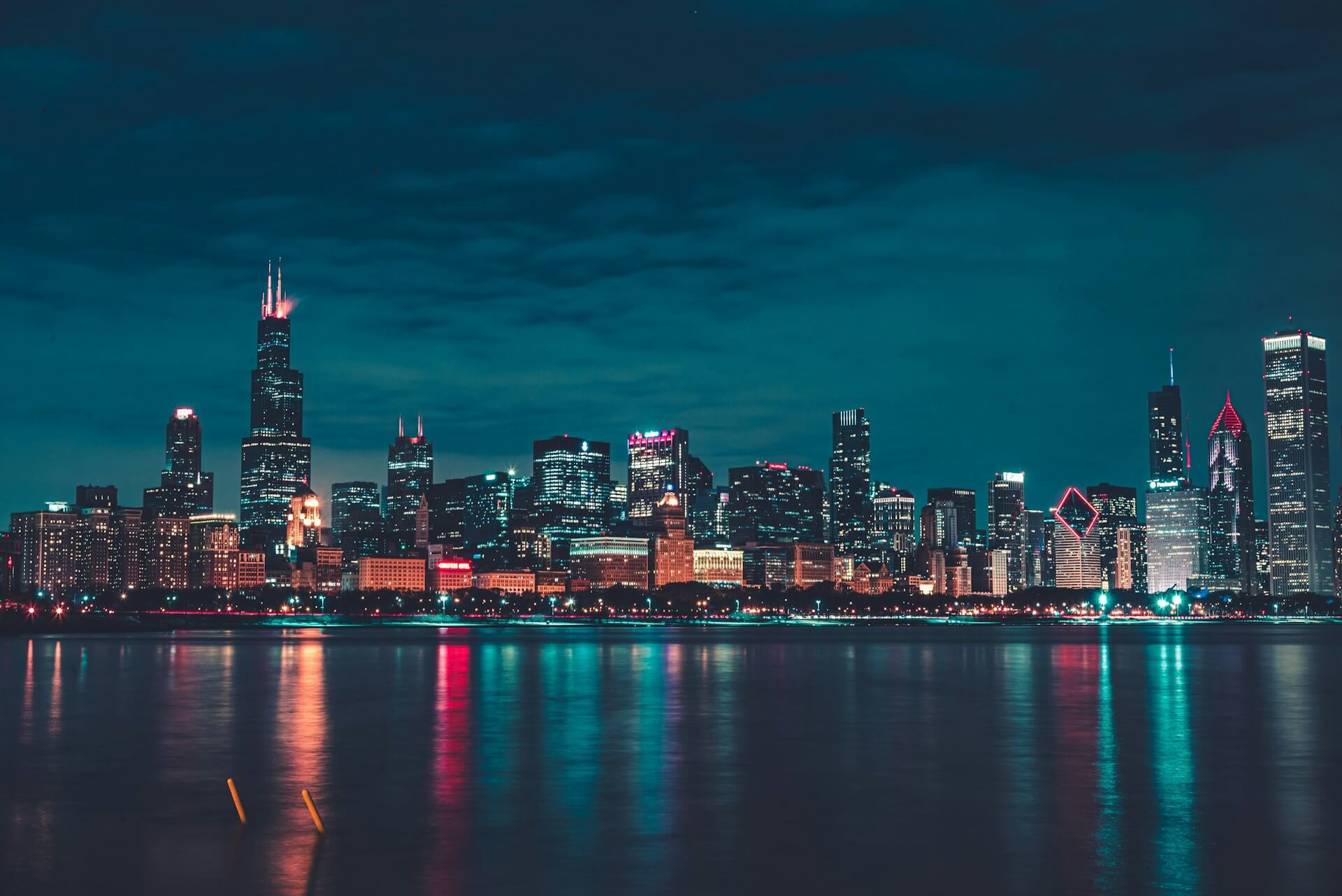
Chicago is the largest city in Illinois, with a population of approximately 2.73 million. It dwarfs every other Illinois city and operates as a world city for finance, technology, healthcare, and culture.
- The lakefront, Millennium Park, Magnificent Mile, and Navy Pier draw millions of visitors annually
- A sports culture anchored by the Bears, Cubs, White Sox, Bulls, and Blackhawks
- World-class museums including the Art Institute, Field Museum, and Shedd Aquarium
- Deep neighborhood diversity, with Bronzeville’s jazz history and Pilsen’s murals representing just two threads in a much longer story
Chicago’s food scene alone could keep you busy for weeks. Among its most celebrated institutions is Pequod’s Pizza in Chicago, an award-winning deep-dish destination that Bon Appétit has called “one of the finest versions of Chicago’s polarizing signature dish.” Pequod’s has earned a spot on Yelp’s Top 100 Pizzas in America and was featured prominently in season two of FX’s The Bear. If you’re visiting Chicago, it belongs on your itinerary.
2. Aurora
Aurora is the second-largest city in Illinois and has undergone a genuine transformation over the past two decades.
- Positioned along the Fox River west of Chicago, with a revitalized downtown and growing arts scene
- Commuter rail lines connect Aurora to Chicago in under an hour
- The historic Paramount Theatre anchors a cultural corridor in the heart of the city
- Consistent growth driven by families seeking suburban space with metro access
3. Naperville
Naperville regularly appears on national lists of the best places to live in the United States, and that reputation is well-earned.
- The downtown Riverwalk is a year-round community anchor for residents and visitors alike
- Top-rated public schools and an extensive network of parks and youth programs
- Economy anchored by technology firms, corporate headquarters, and education
- An affluent tax base that funds high-quality public services and infrastructure
4. Joliet
Joliet is more layered than its pop culture reputation suggests, and it has become one of the Chicago metro area’s most strategically important cities.
- A major logistics hub, with warehouses and distribution centers multiplying thanks to interstate and rail access
- Riverboat casinos draw visitors from across the metro region
- Auto racing heritage tied to the former Chicagoland Speedway
- Affordable housing paired with an expanding job market
5. Rockford
Rockford is Northern Illinois’ most significant city outside of Chicagoland, sitting about 90 miles northwest of Chicago along the Rock River.
- Manufacturing roots in furniture and machine tools, now diversified into healthcare and aerospace
- The Burpee Museum of Natural History and Coronado Performing Arts Center anchor a surprisingly strong cultural scene
- Riverfront parks and trails give the city genuine outdoor appeal
- Cost of living substantially lower than Chicago and its suburbs
6. Elgin
Elgin shares the Fox River with Aurora, and that waterway is central to the city’s identity.
- A thoughtfully developed riverfront corridor for walking, cycling, and community events
- Commuter rail connection makes it practical for Chicago-area professionals
- A diverse population that fuels a lively calendar of festivals and neighborhood markets
- Consistent growth driven by families seeking an affordable entry point into the Chicago metro area
7. Springfield
Springfield’s significance goes well beyond its population size. As the state capital, it’s the center of Illinois’ political life and carries a historical legacy that few American cities can match.
- Home to the Abraham Lincoln Presidential Library and Museum, one of the best-designed presidential museums in the country
- The Old State Capitol and Lincoln Home National Historic Site draw history-focused visitors year-round
- State government is the dominant employer, which keeps the city unusually stable economically
- A community identity built around Lincoln’s legacy that gives it genuine national distinctiveness
8. Peoria
Peoria sits at the geographic and cultural center of Illinois, and the phrase “Will it play in Peoria?” captures something real about the city’s long-standing role as a barometer of mainstream American life.
- Caterpillar, the global heavy equipment manufacturer, is headquartered here and has shaped the city’s economic identity for generations
- Healthcare is a major second pillar, with several large hospital systems employing thousands
- Illinois River waterfront investment signals a city actively updating its identity
- A strong corporate and institutional base that keeps the economy relatively stable
9. Champaign
Champaign rounds out the top 10 with a distinctly different energy from the rest of the list.
- The University of Illinois at Urbana-Champaign shapes the city’s dining scene, startup culture, and demographics
- A thriving research and technology sector has grown organically from university programs
- Consistent influx of young, highly educated residents keeps the city forward-looking
- Midwestern community character with genuine career opportunities beyond the campus
10. Waukegan
Waukegan offers something rare among the largest cities in Illinois: direct Lake Michigan access at an accessible price point.
- Located along the western shore of Lake Michigan, just south of the Wisconsin border
- Significant Latino, African American, and immigrant communities contribute to a rich cultural fabric
- Lakefront parks and proximity to both Chicago and Kenosha give it strong geographic positioning
- Redevelopment projects along the waterfront and downtown corridors are producing visible results
Population Trends: How Illinois Cities Are Evolving
Looking at Illinois population rankings, a few clear patterns emerge. Suburban cities in the Chicago metro area continue to attract residents seeking space, strong schools, and relative affordability. This suburban pull has been a defining feature of Illinois’ population geography for decades.
Chicago’s story is more complex. Population shifts reflect housing costs, neighborhood-level reinvestment, and economic opportunity, with some areas seeing significant growth while others face the headwinds common to large American cities. Cities like Champaign and Springfield show steady, stable populations anchored by institutional employers. Joliet and Waukegan represent potential growth stories, with geographic and logistical assets that are increasingly being recognized. Whether you’re making a business decision, choosing where to live, or simply tracking how Illinois is changing, these trends are worth paying attention to.
Planning a Visit to Chicago? Don’t Leave Without Trying Pequod’s Pizza
If Chicago is on your itinerary, one culinary stop belongs at the top of the list: Pequod’s Pizza. Founded in 1970, Pequod’s has built one of the most devoted followings in Chicago’s intensely competitive food scene, built on a deep-dish with a signature caramelized cheese crust that bakes directly against the pan, forming a crispy, slightly charred ring unlike anything else in the city.
The accolades speak for themselves: Yelp’s Top 100 Pizzas in America, Bon Appétit’s recognition as “one of the finest versions of Chicago’s polarizing signature dish,” and a featured role in season two of FX’s The Bear. That kind of reputation comes from decades of consistency.
Pequod’s Chicago location in Lincoln Park is open late, making it an ideal stop after a full day exploring the city. The Pequod’s Morton Grove location serves Chicago’s northwest suburbs, and suburban delivery across Chicagoland is available through DwellSocial for those who want deep-dish delivered to their door. Ready to order? Place an order and get Pequod’s deep-dish on its way to you.
Photo by Max Bender on Unsplash